
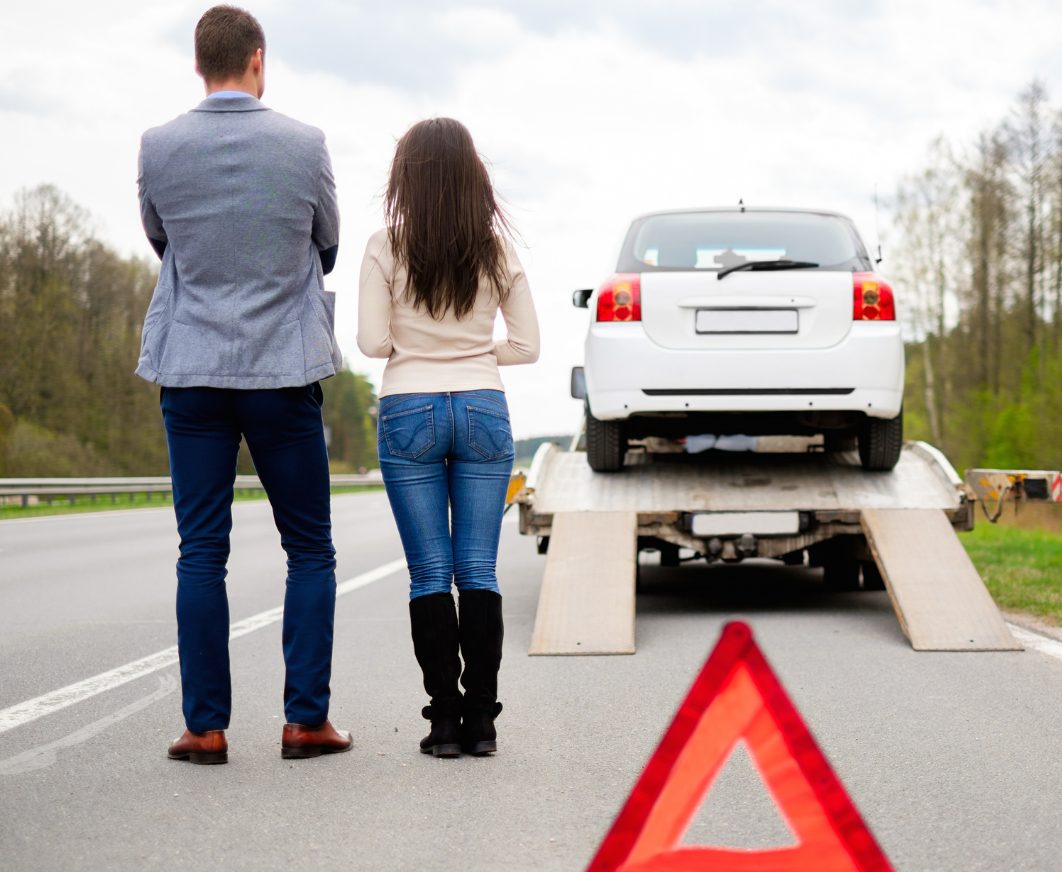
Who's At Fault? How Insurance Companies Decide After a US Crash
Insurance companies determine crash fault by comparing driver statements, photos, vehicle damage, witness accounts, police reports, video, and applicable traffic and negligence rules. The police can issue citations and document the scene, but an insurer makes its own coverage and liability decision.
Two insurers can initially disagree. Fault is not decided by who calls first, who sounds most confident, or who points at the other driver most vigorously.
Who actually decides?
An insurance adjuster investigates the loss for the company handling the claim. The adjuster reviews evidence, interviews drivers or witnesses, applies policy terms and state law, and decides whether the insured driver is fully, partly, or not responsible.
For a simple rear-end collision with consistent evidence, the decision may be quick. A multi-vehicle crash, disputed traffic signal, lane-change collision, or incomplete police report can require more investigation.
The other insurer's decision is not a neutral court ruling. Its adjuster represents that insurer's interests and owes duties under applicable claim-handling rules. Your insurer may reach a different conclusion and pursue recovery through negotiation, arbitration, or litigation.
If a dispute goes to court, a judge or jury can make a legally binding allocation of responsibility. Most property-damage claims resolve before that stage.
The evidence adjusters use
Driver statements
Each driver's description supplies direction of travel, signals, speed, lane position, and actions before impact. Small inconsistencies can matter, but a person can also be mistaken after a stressful event.
Give a factual account. Separate what you directly observed from what you infer. “My light was green when I entered” is more useful than “the other driver is obviously a maniac.”
Scene and vehicle photos
Wide photos show lanes, signs, signals, skid marks, debris, weather, visibility, and final positions. Close photos show impact points and damage patterns. Photograph all involved vehicles when it is safe, not only your own bumper.
Police report
The report can identify drivers, insurance, witnesses, diagrams, citations, and statements. It is important evidence, especially when an officer observed the scene. It may contain an error, omit later evidence, or stop short of assigning civil liability.
Witnesses
Independent witnesses can resolve disputes about a light, lane, or sequence. Get names and contact information. A passenger's account is still evidence, but an unrelated witness may be viewed as more neutral.
Video and electronic data
Dashcams, doorbell cameras, business security systems, and traffic cameras can preserve the sequence. Video may be overwritten quickly, so identify nearby cameras and request preservation promptly. Some vehicles also store limited crash data that may be retrieved in serious cases.
Physical consistency
Damage location, paint transfer, debris, tire marks, and roadway geometry help adjusters test whether the accounts fit. Physical evidence rarely tells the whole story by itself, but it can contradict an impossible version.
Police reports and tickets do not settle everything
A traffic citation can be persuasive, but it is not automatically the final civil-fault decision. The cited driver may contest it, and the legal rules for using citations vary by state. An officer who arrived after impact often relies on the same statements and physical evidence the insurers review.
Conversely, no ticket does not mean no one was negligent. Police may decline to cite when evidence is incomplete or when the issue is better handled through insurance.
Get the report number and instructions for obtaining the completed report. Review it for factual errors such as the wrong lane, vehicle, insurance information, or passenger count. Ask the agency about its correction or supplemental-statement process; do not alter the report yourself.
Comparative and contributory negligence
States use different rules when more than one person contributed to a crash.
Under comparative negligence, a person's recovery may be reduced by that person's percentage of responsibility. Some states allow recovery at many fault levels; others bar recovery once a threshold is reached.
Under contributory negligence, even a small share of responsibility can severely limit or bar recovery in jurisdictions that use that rule.
Exact rules vary by state and can be legally consequential. Do not rely on a generic state list that may be outdated. Start with our state guides and ask the insurer or a qualified local attorney how the current rule applies to a disputed or serious claim.
What “no-fault state” really means
No-fault insurance generally means your own policy pays certain covered injury benefits after a crash regardless of who caused it, subject to state rules and policy limits. It does not mean fault disappears.
Property damage - including repair, total-loss, towing, and storage issues - can still be fault-based. Injury claims beyond no-fault benefits may also depend on thresholds and state law. The details vary substantially by state.
Why tow receipts and scene photos matter
The tow receipt connects the disabled vehicle to the crash, pickup point, destination, and expense. Storage records show how charges accumulated. Keep both, even if the tow company says it is billing an insurer.
Photograph the vehicle before it is moved when safe. Final position, wheel direction, debris, and damage can change during recovery. Do not step into traffic for a better angle.
Tell the insurer where the car was taken. Storage can accrue daily, and you generally have a duty to take reasonable steps to limit avoidable loss. Work with the adjuster on release and relocation rather than letting the vehicle sit while the fault argument continues.
Use our towing cost calculator to understand ordinary price components, and read the car accident checklist for scene steps.
How to dispute a fault finding
Ask the adjuster for the decision and reasoning in writing. Identify the specific fact, evidence, or rule you believe is wrong. A useful dispute might include:
- A photo showing the relevant sign or lane marking.
- A witness the adjuster did not contact.
- Dashcam footage.
- A corrected police report or supplemental statement.
- A diagram explaining vehicle paths.
- Repair evidence inconsistent with the other account.
Send copies, keep originals, and create a timeline of calls and correspondence. Ask for supervisor review or the insurer's formal reconsideration process.
If the dispute involves serious injury, substantial value, an approaching deadline, or an allegation of fraud, consider a qualified attorney in the relevant state. Insurance departments may accept complaints about claim-handling conduct, but they do not always decide contested crash facts like a court.
Crash-evidence checklist
- Get to safety and call 911 when appropriate.
- Exchange driver, vehicle, and insurance information.
- Photograph the scene, vehicles, signs, and damage.
- Collect witness names and contact details.
- Preserve dashcam footage immediately.
- Record the police report number.
- Keep towing, storage, rental, and repair documents.
- Report the claim promptly and give a factual account.
- Avoid admitting legal fault at the scene.
Avoiding an admission does not mean refusing to cooperate or concealing facts. You can ask whether someone is hurt, call for help, and accurately describe events without making a legal conclusion.
Frequently asked questions
Does the police report determine who is at fault?
It is important evidence, but insurers conduct their own liability investigation. A court can make a binding decision if a dispute is litigated.
How long does a fault investigation take?
It depends on complexity, evidence, cooperation, injuries, and coverage questions. A clear two-car claim may resolve quickly; disputed or multi-vehicle crashes can take much longer.
Can both drivers be at fault?
Yes. Many states allow responsibility to be allocated between drivers, with recovery affected by that allocation. The exact rule varies by state.
Will my insurance go up if I am not at fault?
It may not, but rating rules, claim history, insurer practices, and state law vary. See will insurance go up after an accident and ask your insurer how the claim is classified.
What if the other driver lies?
Provide consistent facts and independent evidence: photos, witnesses, video, report information, and damage records. Focus the dispute on what can be verified.
Fault decisions are evidence puzzles filtered through state rules. The most useful thing you can do is preserve the pieces before vehicles move, cameras overwrite, and witnesses forget.