
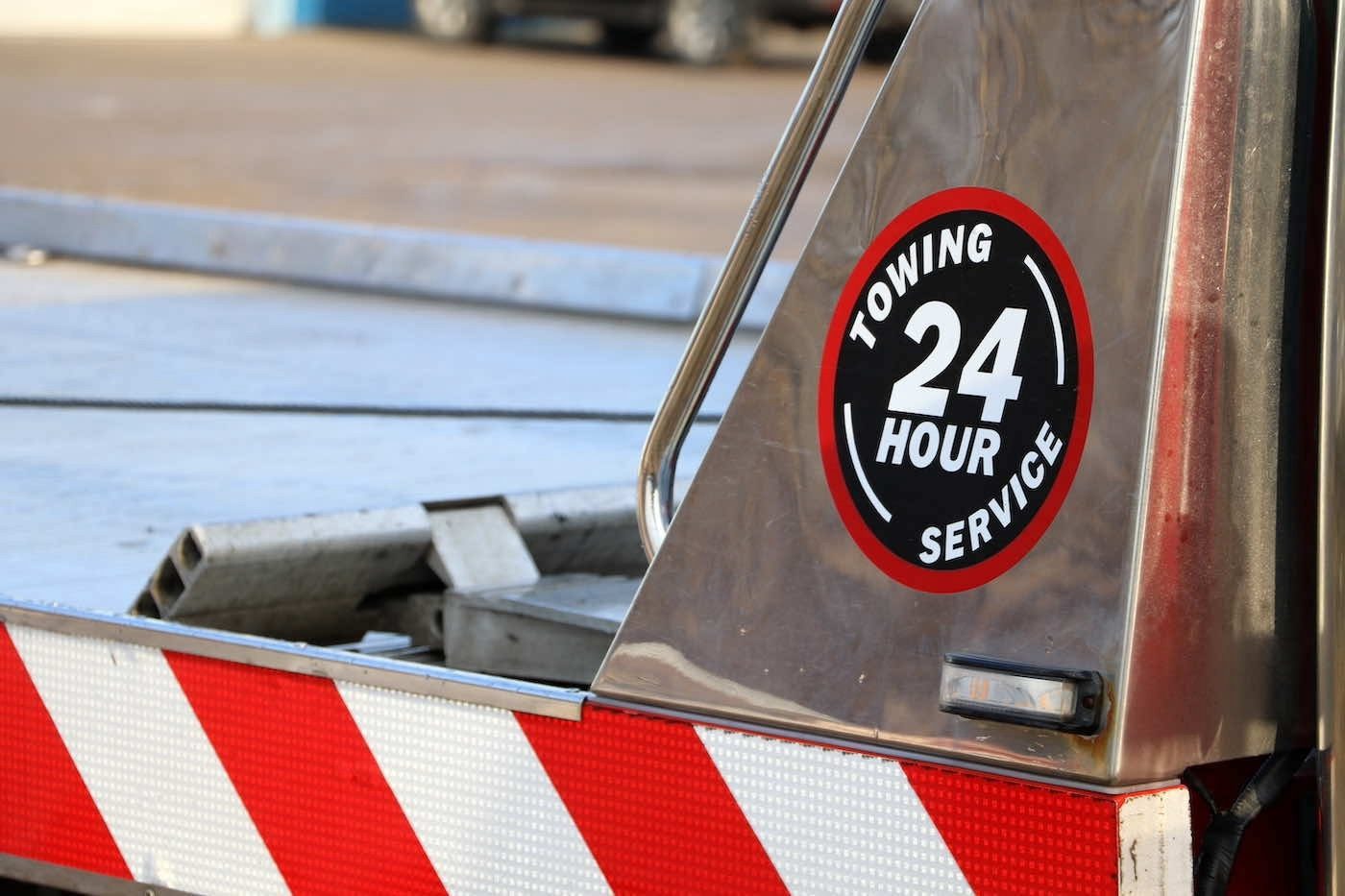
Towing Laws in South Carolina: Your Rights, Costs & Impound Rules
If your car was just towed in South Carolina - from a private lot, a crash scene, or a rotation-list wrecker - this page explains what state law says about the fees you can be charged, how to get your vehicle back, and where to file a complaint. Every fact below comes directly from South Carolina statutes and regulator pages, each cited so you can verify it yourself.
Who regulates towing in South Carolina
South Carolina has no statewide tow operator license. Consumer complaints about towing businesses go to the SC Department of Consumer Affairs, which processes complaints against both regulated and unregulated businesses. You can file online, mail in a complaint form, or call (800) 922-1594 toll-free within the state or (803) 734-4200.
What a tow can cost
South Carolina doesn't set statewide rate caps. Instead, under SCDPS wrecker regulations, towers on the Highway Patrol rotation list must submit fee schedules for each wrecker class, covering standard towing, heavy-duty towing, storage, and special operations. For rotation calls specifically, fees must be reasonable and can't exceed what the company charges for similar services requested by any other public agency or private person.
Because there's no single statewide dollar cap, ask the towing company for its filed fee schedule and compare it against what similar rotation tows cost elsewhere in the state. Our towing cost calculator can help you check whether an itemized bill looks reasonable.
Getting your car back from impound
Under SC Code 29-15-10, a towing or storage proprietor can have an unclaimed vehicle sold at public auction by a magistrate once 30 days have passed since written notice was sent to the owner by registered or certified mail. That notice has to go out within five business days after the proprietor learns the owner's and any lienholder's identities. Before the sale, the magistrate must advertise the vehicle for at least 15 days by posting notice in three public places, and once sold, the proceeds are held for 90 days so the owner or lienholder can still claim them.
If you're towed from private property
South Carolina allows a vehicle parked on private property without permission to be towed and stored at the registered owner's or lienholder's expense. The towing company is required to notify law enforcement, as spelled out in Section 56-5-2525.
After an accident
South Carolina requires you to immediately notify local police of any crash causing injury or death. If police don't investigate the crash, you must send a written report to the DMV within 15 days when there's injury, death, or apparent total property damage of at least $1,000. If you need an official copy of a collision report afterward, you can request one online or with Form FR-50 by mail or at an SCDMV office; the fee is $10.00 per report.
The Move Over law
SC Code 56-5-1538 requires drivers approaching a traffic incident with a stopped ambulance, police, fire, rescue, recovery, or towing vehicle to significantly reduce speed and, if possible with due regard to safety, change into a lane that isn't adjacent to the emergency vehicle. If a lane change isn't possible, drivers must slow down and maintain a safe speed instead. A violation is a misdemeanor carrying a fine of not less than $300 nor more than $500.
FAQ
Is there a statewide maximum tow fee in South Carolina? No. South Carolina doesn't set statewide rate caps; rotation-list towers must file fee schedules and keep rotation-call fees reasonable and comparable to similar services elsewhere.
How long before an unclaimed South Carolina tow can be sold at auction? A magistrate can auction the vehicle once 30 days have passed since written notice was sent to the owner, following at least 15 days of public advertising. Sale proceeds are then held for 90 days for owner or lienholder claims.
How much does an official South Carolina crash report cost? An involved person can request a collision report online, by mail, or at an SCDMV office using Form FR-50, for a fee of $10.00 per report.
Sources
- SC Department of Consumer Affairs - Consumer Complaints - regulator and complaint channel
- SCDPS - Wrecker Regulations - rotation-list fee schedule requirements
- SC Code Title 29, Chapter 15 - Impound, lien and sale timeline
- SC Code Title 16, Chapter 11 - Private-property towing
- SC Code Title 56, Chapter 5 - Accident reporting requirements
- SCDMV - Collision Reports
- SCDPS - Move Over Law