
Hit and Run: What to Do in the First Hour (and How Insurance Handles It)
After a hit and run, get to safety, call 911 when appropriate, photograph the scene, find witnesses and nearby cameras, make a police report, and notify your insurer promptly. Do not chase the fleeing driver.
Write down the plate - even a partial one - vehicle description, direction of travel, and anything you noticed about the driver. Details fade quickly after the adrenaline wears off.
The first-hour checklist
1. Stop and check for injuries
Pull out of active traffic if the vehicle can move safely. Turn on hazard lights. Check yourself, passengers, pedestrians, and occupants of any other stopped vehicles.
Call 911 for injuries, a blocked roadway, fire, leaking fuel, dangerous debris, or an immediate threat. Tell the dispatcher that the other vehicle left and give its direction of travel. Do not follow it; a chase can create another crash and may expose you to an aggressive or impaired driver.
2. Record the fleeing vehicle
As soon as you can do so safely, write or dictate:
- Full or partial license plate.
- Make, model, body type, and color.
- Damage location or missing parts.
- Direction and street or highway used.
- Driver or passenger description.
- Company markings, decals, racks, wheels, or distinctive lights.
- Exact time of the crash.
Do not turn a guess into a fact. A confident wrong plate can point investigators toward an innocent driver.
3. Photograph everything
Take wide photos showing the road, lanes, signs, signals, lighting, weather, debris, skid marks, and where your vehicle stopped. Take close photos of damage, paint transfer, broken parts, and any mark that might identify the other vehicle.
Preserve original files and timestamps. Do not clean, repair, or discard loose pieces until the insurer or police has had a chance to review them, unless leaving debris creates a safety problem.
4. Find witnesses and cameras
Ask witnesses for names, phone numbers, and a short description of what they saw. Do not rely on a promise to “find you online.”
Look for businesses, homes, parking garages, buses, doorbells, traffic systems, or other vehicles with cameras. Note the exact camera and ask the owner to preserve footage from the relevant time. Many systems overwrite recordings quickly. Police may need to request or obtain the video under local procedures.
5. Make the police report
A prompt police report creates an official record and is required or strongly expected for many hit-and-run claims. Reporting requirements vary by state and crash severity, so do not assume a small-looking dent is exempt.
Get the agency name, officer information if available, and report number. Ask how to submit later video, photos, or witness details and how to obtain the completed report.
6. Notify the insurer
Report the loss promptly. Give the claim representative the police report number, evidence, witness information, vehicle location, and tow receipt. Ask which coverage may apply and whether the car must be inspected before repair.
If your parked car was hit
First, make sure the vehicle was not damaged during towing, parking-lot maintenance, a weather event, or another identifiable incident. Photograph the car exactly where you found it and the surrounding parking space.
Look for a note, broken vehicle parts, paint transfer, tire marks, and nearby cameras. Ask property management or neighbors to preserve video. If another car may still be nearby, photograph it from a public place without confronting anyone or touching the vehicle.
Make a police report through the agency's directed process. Some departments handle non-injury parked-car reports online or by non-emergency number. Reporting rules vary, and an insurer may require the report before treating the loss as a hit and run.
Do not wait several days to ask for video. A camera that could have solved the case may have overwritten the hour you need.
Which insurance coverage may apply?
Coverage depends on your policy and state.
Collision coverage
Collision coverage commonly pays for damage to your vehicle after impact with another vehicle, subject to the deductible and policy terms. It may apply even when the other driver is unknown.
Uninsured motorist property damage
Uninsured motorist property-damage coverage may be offered or required in some states and may cover certain hit-and-run losses. Availability, deductibles, identification requirements, physical-contact rules, and covered property vary by state.
Medical or injury coverage
Personal injury protection, medical payments, uninsured motorist bodily injury, health insurance, or another coverage may apply to injuries, depending on the state and policy. Seek medical attention for symptoms; do not diagnose yourself based on whether the bumper looks dramatic.
Comprehensive coverage
Comprehensive generally covers non-collision losses. A vehicle-to-vehicle hit and run is normally considered collision damage, not comprehensive, though facts and policy language control.
Ask the adjuster to identify the coverage and deductible in writing. See how to file a car insurance claim for the full process and our state guides for local starting points.
Why the police report number matters
The report number helps the insurer connect the claim to a documented hit-and-run allegation, request the final report, and verify timing and location. It can also be required under policy terms or state rules for certain uninsured-motorist claims.
The number itself does not prove every fact or guarantee coverage. Give the insurer additional evidence and update the police report if you later obtain video, a witness, or a better plate number.
Review the completed report for factual errors. Follow the agency's process to request a correction or add a supplemental statement.
Towing and storage
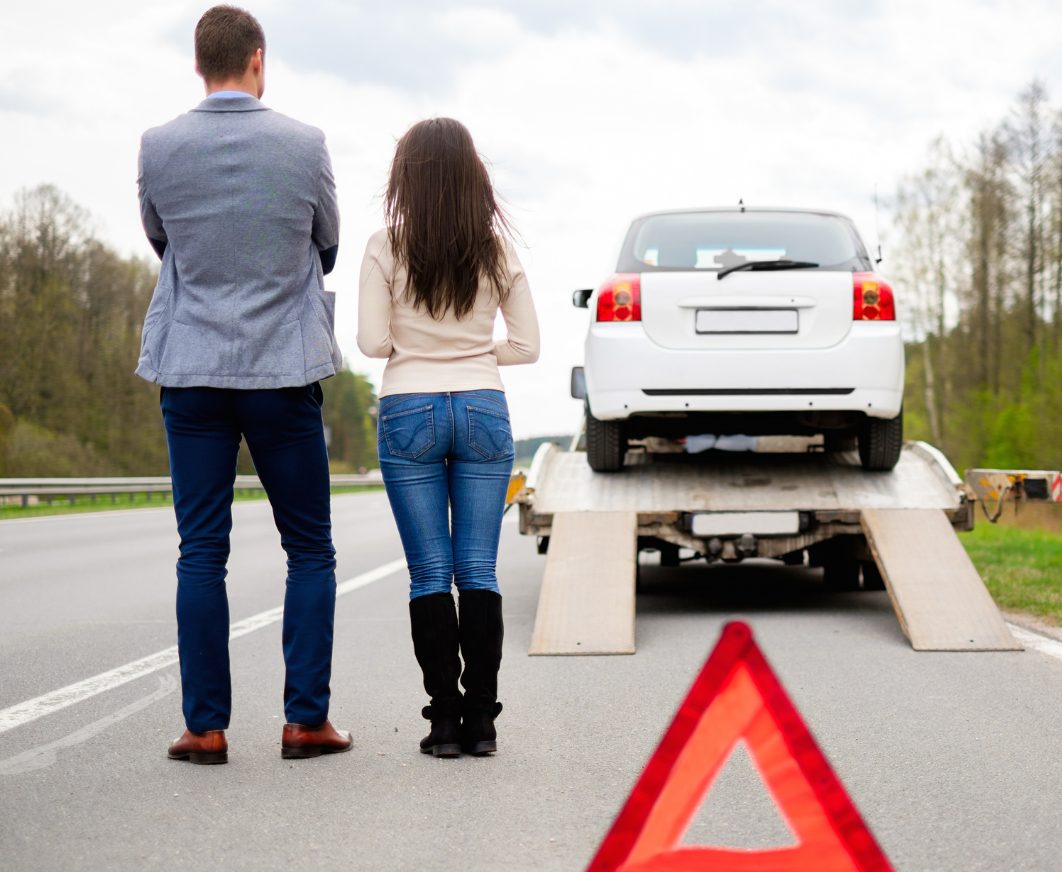
If the car is unsafe to drive, use a qualified towing provider. Photograph the car before it moves, remove valuables, and record the destination. Keep an itemized receipt showing pickup, mileage, services, and storage.
Tell the insurer where the vehicle is immediately. Storage charges may accrue each day. Ask whether it should be moved to a repair shop or inspection location and who will authorize release.
Use our towing cost calculator to understand common price components, but a police-ordered or difficult recovery can have different charges.
Will your premium go up?
A not-at-fault hit-and-run often does not produce the same rating effect as an at-fault crash, but there is no universal answer. State rules, insurer practices, claim history, coverage used, and whether the other driver is found can matter.
Ask how the claim is classified and whether any claim-free discount may change. Do not skip a necessary report or repair solely to avoid a possible increase without first understanding the actual policy consequences.
If the drivers disagree about what happened, read how insurers determine fault.
Evidence packet for the claim
Keep:
- Police report number and final report.
- Original photos and video.
- Witness contacts and statements.
- Camera locations and preservation requests.
- Notes about the plate and vehicle.
- Tow and storage receipts.
- Repair estimates and rental receipts.
- Medical records and expense documents if injured.
- A timeline of insurer and police contacts.
Frequently asked questions
Should I chase a hit-and-run driver?
No. Record details and call 911. Chasing can cause another collision or confrontation and makes it harder to preserve the original scene.
What if I only have part of the license plate?
Report it with the vehicle description, direction, time, damage, and distinctive features. A partial plate combined with video or witness evidence can still help.
Will insurance cover a hit and run without a police report?
Coverage may be denied or delayed if required reporting conditions are not met. Requirements vary by policy and state, so report promptly and ask the insurer what documentation it needs.
Do I pay a deductible for a hit-and-run claim?
Possibly. Collision coverage normally has its stated deductible. Uninsured motorist property-damage deductibles and rules vary by state and policy.
What if the driver is found later?
Give the information to police and your insurer. The insurers can investigate coverage and liability, and your insurer may seek recovery of payments and your deductible where permitted.
The first hour is about preserving options: safety, evidence, report, claim. You cannot control whether the driver is found, but you can keep the useful trail from disappearing.